Pendientes, Study II: Photography-Based Study of Kinetic Normativity, Miami, 2026
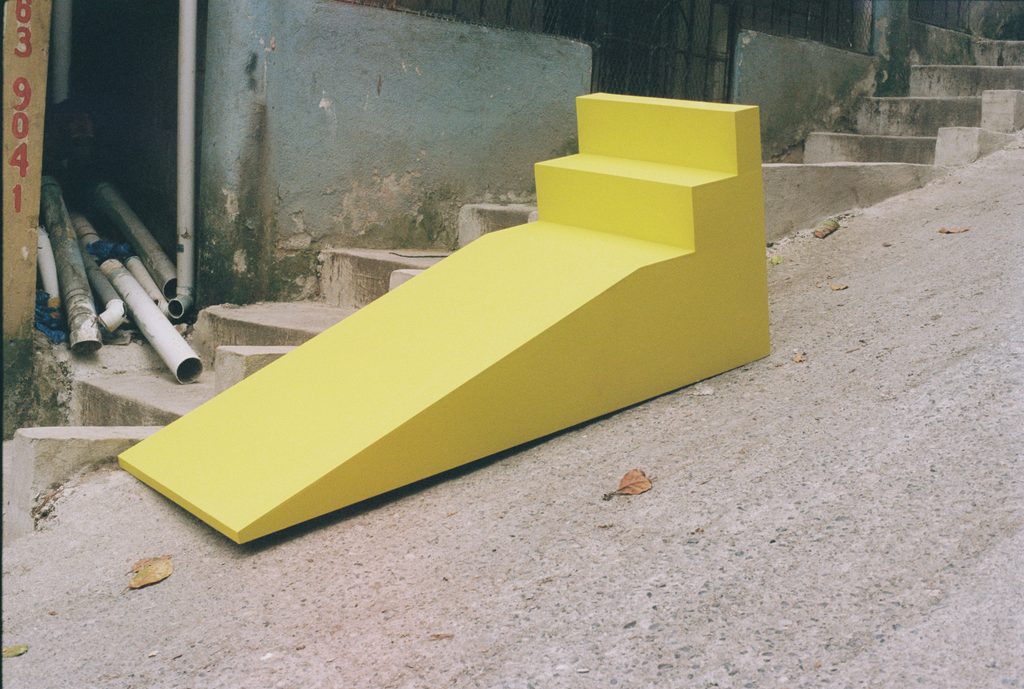
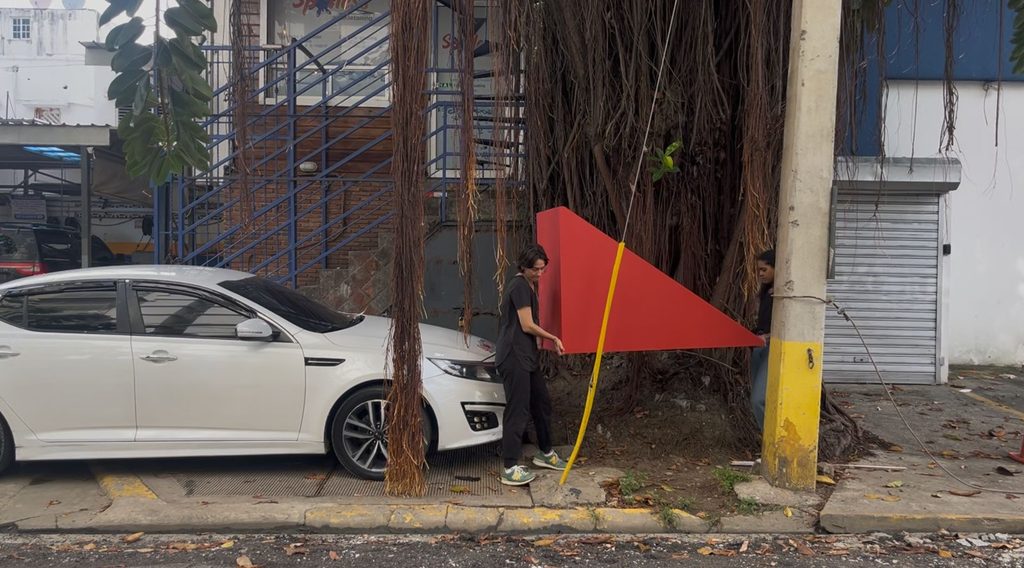
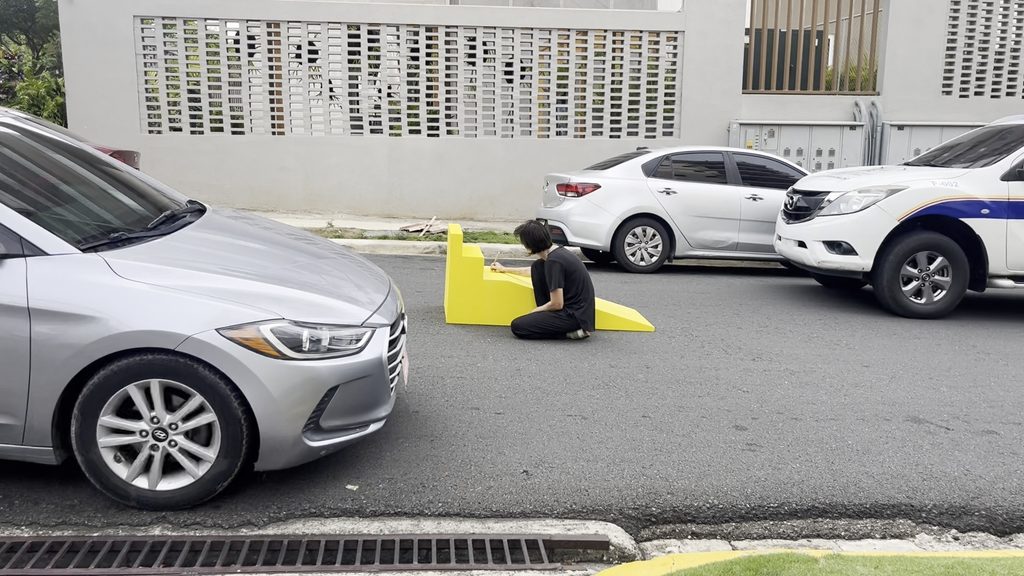
Batlle began their study in Santo Domingo through a series of public performances in which they carried three brightly colored ramps intentionally designed not to function. Although recognizable as accessibility ramps, the objects remained fundamentally inaccessible, reflecting the symbolic forms of inclusion that often replace material transformation. Dragged through the streets and around the Museo de Arte Moderno, the ramps became obstacles that reorganized circulation and raised questions of who public space and cultural institutions are designed to accommodate.
In Pendientes, Study II, Batlle extends their project through photography in Miami, shifting the focus from embodied performance to the visual construction of access—to images of accessibility ramps shot across the city in spaces associated with luxury development, tourism, and financial capital, as well as in neighborhoods shaped by Caribbean diasporic communities, including Little Haiti, Little Havana, and Little Santo Domingo.
Together, the two studies examine accessibility not as a technical problem but rather as a political and cultural condition. By pursuing their project in both Santo Domingo and Miami, Batlle reveals how infrastructures of movement are inseparable from histories of migration, labor, inequality, and belonging, exposing the ways in which cities regulate who is allowed to inhabit mobility—and who is not.
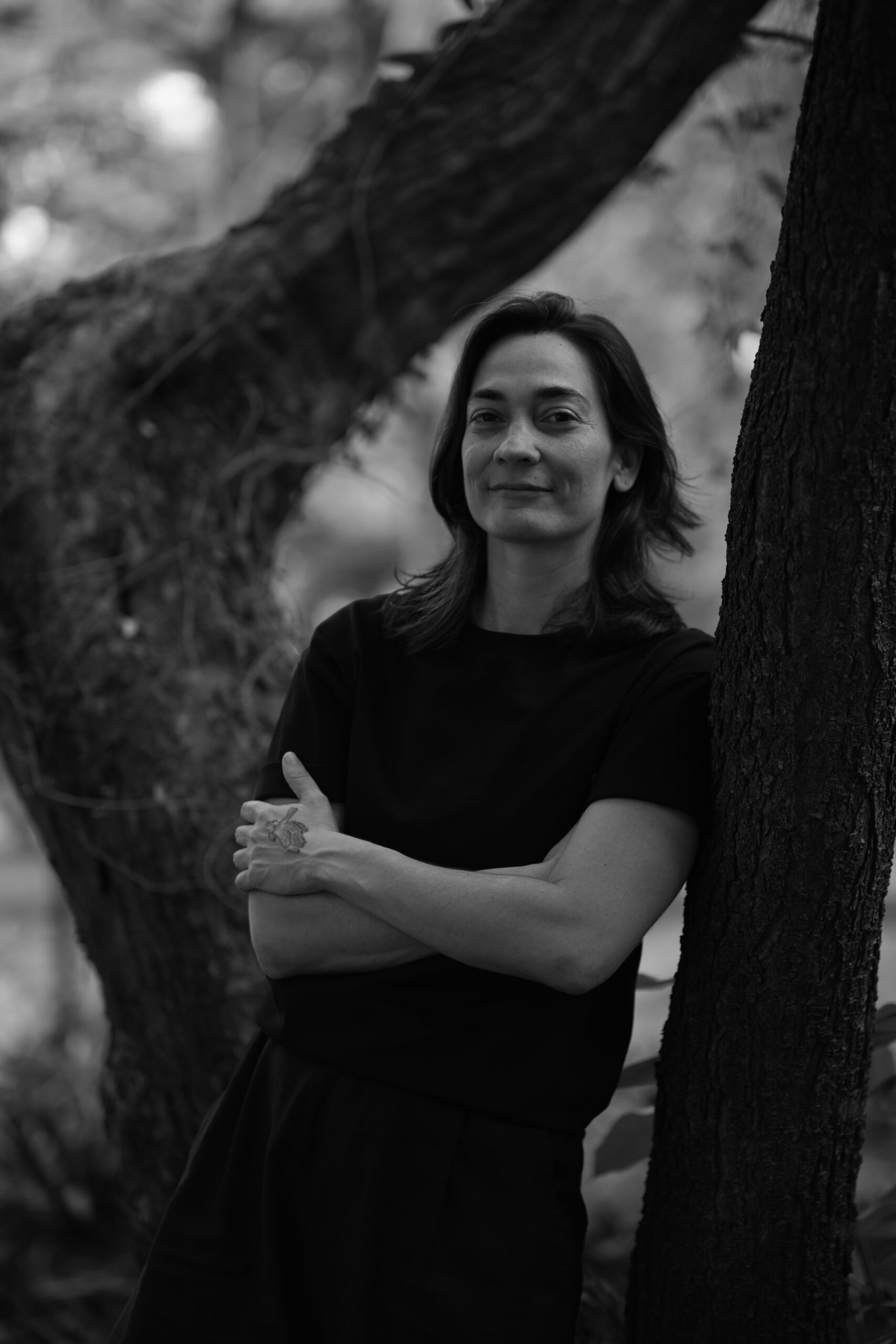
Noa Batlle was born in 1983 in the Dominican Republic. A self-taught artist, they live and work in Santo Domingo.
Batlle’s research-based practice centers on experimentation and collaboration in exploring how systems organize access, belonging, and perception. Since 2013, their work has moved between artistic research and structural interventions within public institutions. Through The Interventions (2020– ), they have contributed to rethinking accessibility in Dominican public life, including the creation of the first municipal Department of Inclusion and Accessibility and initiatives supporting the country’s most inclusive electoral process in 2024.
Batlle approaches accessibility not as accommodation but rather a critical lens through which to challenge dominant sensory and social orders. Recent work includes La Ocupación (The Occupation), 2026, which they developed with curator José Roca for the Concurso de Arte Eduardo León Jimenes, and an ongoing nationwide collaboration with the Dominican Ministry of Environment and Natural Resources to advance accessibility across the country’s protected areas.