IYAMI: Inscriptions of Yorùbá and Afro-Cuban Memory and Imago; The Making of the Afro-Cuban Feminine in Cuban Art and Its Diasporas
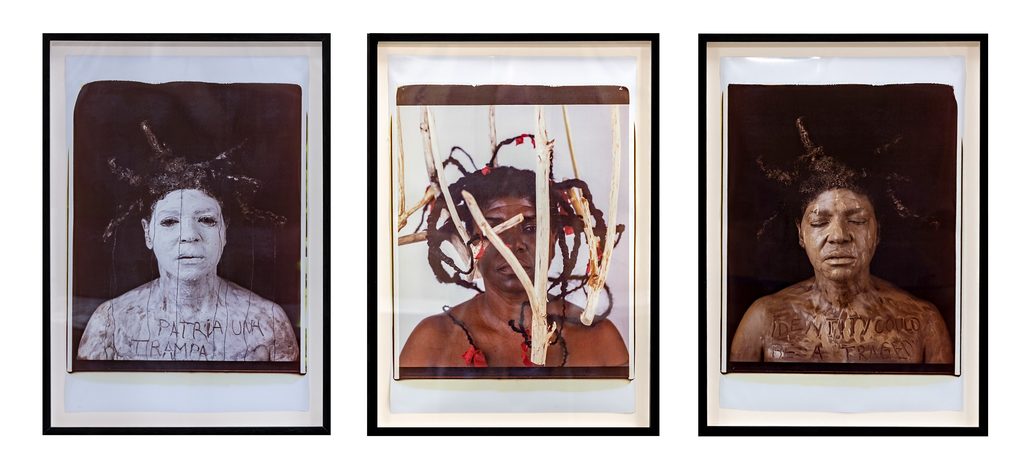
Inspired by the Yorùbá concept of Ìyámi, the primordial mothers and custodians of feminine spiritual authority, Moret-Miranda examines works by Ana Mendieta, Belkis Ayón, Marta María Pérez Bravo, María Magdalena Campos Pons, Juana Valdés, Gertrudis Rivalta, Susana Pilar Delahante Matienzo, and Harmonia Rosales, among others.
Through research at Pérez Art Museum Miami (PAMM), the Cuban Heritage Collection, Florida International University, and other local collections and repositories, Moret-Miranda explores how Cuban women artists have mobilized Yorùbá cosmologies, Afro-Cuban religious traditions, ritual, and embodied memory to construct new visual genealogies of Black femininity. Indeed, rather than treating Afro-Cuban religions as subjects to be represented, she discovers they have positioned spirituality as a framework for creating knowledge and historical memory.
Moret-Miranda argues that these artists have created an alternative archive that challenges colonial visual regimes and recenters Black women as creators, ancestors, spiritual authorities, and agents of historical transformation. Her research culminates in a scholarly essay contributing to Caribbean art history, Black studies, feminist visual culture, and museum studies while highlighting the significance of PAMM’s collections in advancing research on Afro diasporic art.
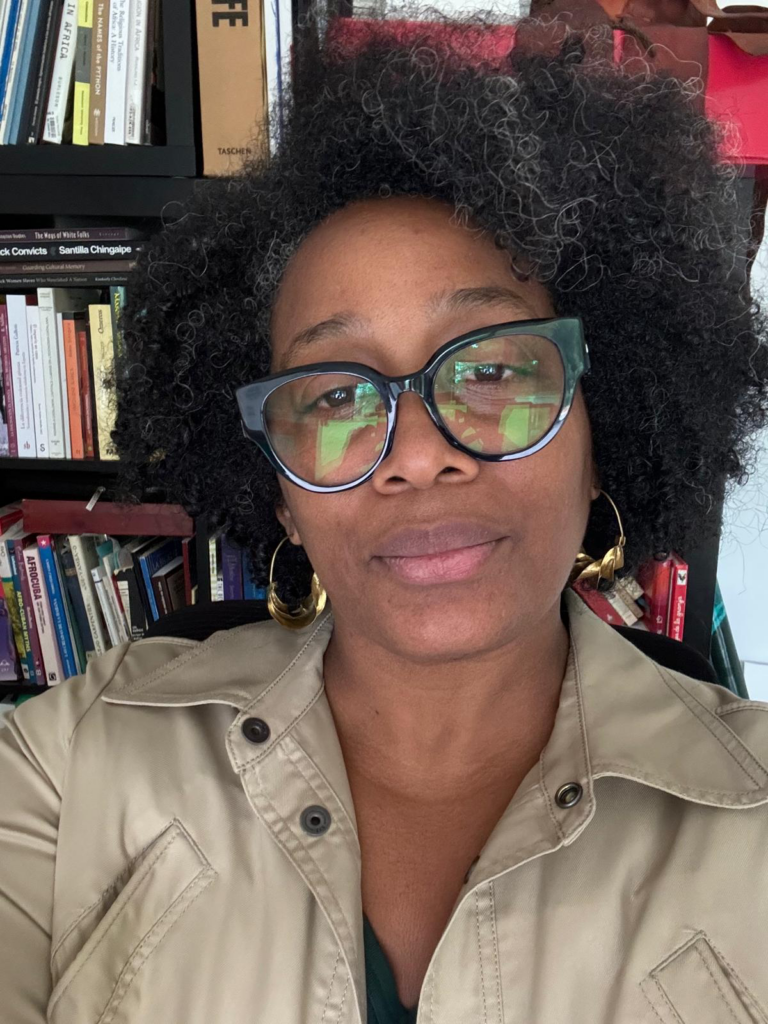
Karina Moret-Miranda is an Afro-Cuban historian, visual artist, and museum practitioner whose research examines the intersections of Afro diasporic visual cultures, race, gender, spirituality, and memory across the Black Atlantic. She is a research fellow at the University of Canberra, a curatorial intern at the National Gallery of Australia, and a visiting professor at Middlebury College. Her work combines archival research, study of museum collections, conservation, and artistic practice to investigate how African diasporic communities have preserved and transformed cultural knowledge. As both a scholar and artist, she works across history, visual culture, heritage, and contemporary art, with a particular focus on Yorùbá cosmologies, Afro-Cuban religions, and decolonial approaches to museums and collections. Through interdisciplinary research, she seeks to recover overlooked histories while contributing new perspectives to Caribbean art history, museum studies, and the visual cultures of the African diaspora.